 Inkoders
AI Should Partner With People, Not Replace Them
why human-AI collaboration, foundational literacy and technological literacy matter in the AI-driven world.

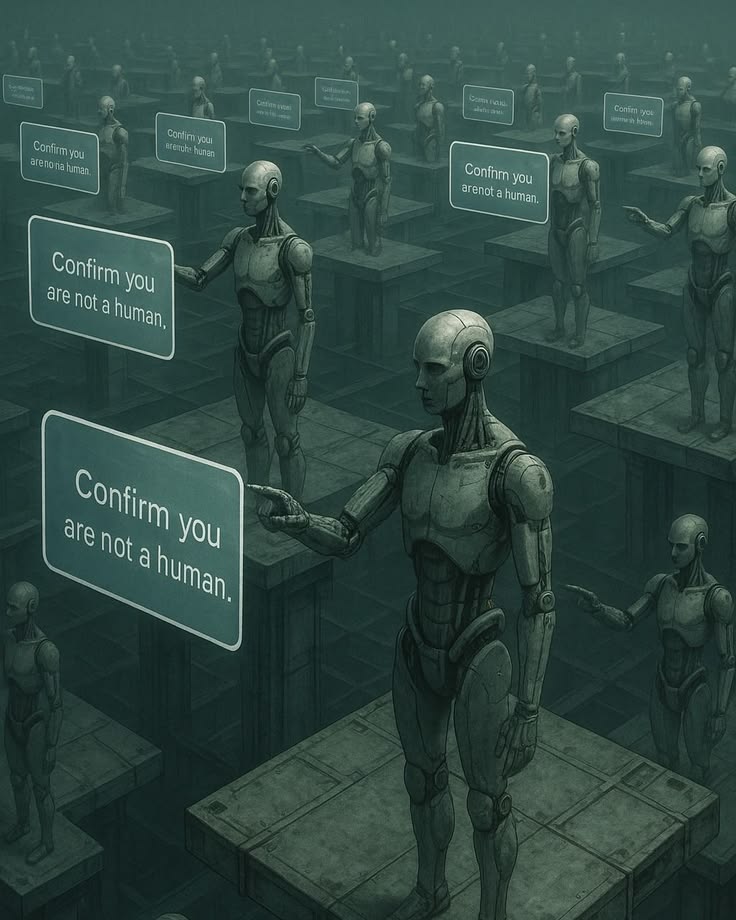
In this new technological era, artificial intelligence is slowly becoming more and more exposed in sectors such as finance, software and creative industries. Many people are burdened with the concern that AI is jeopardizing human cognitive abilities and replacing jobs. While approximately 200,000 layoffs are attributed to AI, about 1 million US jobs were created at the same time. Hence, for now, AI brings both positive and negative changes to the labor market, yet the long-term impacts are still uncertain. On the positive side, when humans work with AI, productivity and efficiency are improved. AI roles include data sorting, which assists finance industries, and AI-assisted video editing, which assists creative industries. It also creates new job categories for AI-focused roles such as model maintenance specialists. However, automation (where AI performs a whole task without human input) creates job loss as well as a tough labor market for young workers, replacing many of the jobs recent graduates once sought.
I believe advancements in AI are helping society as long as the AI industry focuses on developing technology designed to partner with humans rather than replacing them completely. It shouldn't hinder the education of the youth or reduce opportunities for people to develop critical thinking, but extend human potential, creativity and productivity If people rely solely on technology, foundational literacy would be forgotten. At Inkoders, we want to preserve foundational literacy while creating a community that excels in technology. Together, these skills allow people to work with AI rather than simply compete against it.
About the author
Marketing & Communications Officer
I realised this while studying music. Online applications like MuseScore and Noteflight bring so much more convenience when producing music, compared to handwriting note by note. Other applications such as GarageBand, allow producers to program beats, sequence loops and use virtual instruments. However, to use these applications you must first learn to read as well as compose music and recognise rhythmic patterns, unlocking so much more to music when you understand the meaning behind each chord, each harmony, and the story it tells. This mirrors how foundational literacy and technological literacy are equally as important. Just as music requires both theoretical understanding and digital fluency, so too does basic literacy enable us to use technology. Technology has become essential to nearly every aspect of our lives, an important skill required to step into the future. I want to join this organization so that I can help more people develop these skills, particularly in underprivileged communities where access to learning resources is limited. Because literacy shouldn't depend on where you're born or what you can afford. It should be a right, not a privilege.
Profile & more perspectives →More perspectives
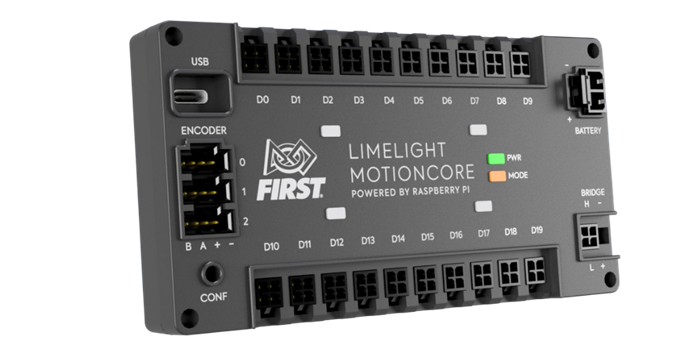
Raising the Floor or Raising the Costs? The FTC Systemcore Hardware Debate
Will the switch from REV Control Hub to Motioncore benefit teams?
By Caleb Lo Chung Wai8 Nov 20264 min read

AI Can Write a Novel. But It Still Can't Write Literature.
The industry's rush to automate writing says less about AI than about what it has stopped valuing.
By Ariel Shing Yi Nga6 Nov 20264 min read

Bending Space, Time and Conformity: A Madeleine L’engle Literary Classic
Meg Murry embarks on a captivating journey through tesseracts to rescue her missing father from an all-consuming cosmic entity, exploring core themes of individuality and the importance of embracing one's imperfections within A Wrinkle in Time.
By Anette Chan Tsz Kiu3 Nov 20265 min read