 Inkoders
The Collapse of Character.ai: A Cautionary Tale of Financial and Legal Overreach
Once valued at over $1 billion, Character.ai has filed for Chapter 11 bankruptcy following a toxic mix of unsustainable compute costs, high-profile litigation, and intense copyright pressure.

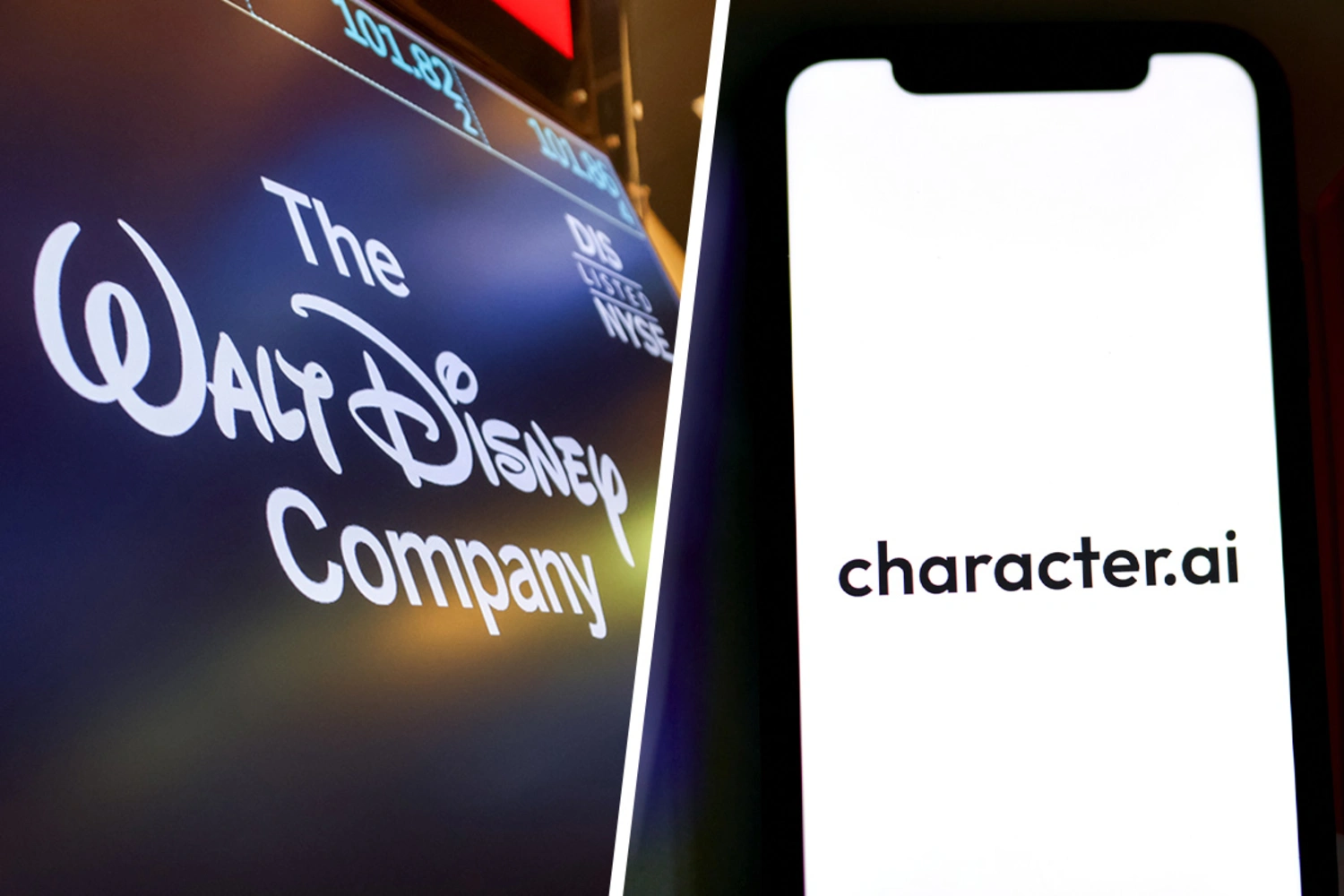
Character AI was once the golden standard for conversations with fictional characters, at one point reaching over $1 billion in valuation; through its venture funding round that raised 150 million from Andreessen Horowitz in 2023. Fast forward to October 12, 2026. Character Technologies Inc. filed for Chapter 11 bankruptcy.
What Happened?
We believe their collapse came down to three main issues:
Unsustainable financial model
Because Character.ai's service was so accessible, providing top-tier custom large language models at free or extremely cheap prices, it led to the company losing $8 to $9 million every single month (because of the immense compute power required to run these models). Character.ai could not convert enough users into paid subscriptions to offset server and AI developments.
Lawsuits and state investigations
Character.ai also became the target of multiple high-profile lawsuits from families claiming that the emotionally manipulative chatbots were causing teenagers' self-harm and suicide. Although the company was able to settle the cases outside of court in early 2026 and also implemented many strict but ineffective age restriction limits. They hoped that these new regulations would be able to convince the public that their service was still safe. Yet, investors and venture capitalists were still extremely worried about investing due to the severe legal liabilities.
Copyright disputes
Because users constantly created bots based on copyrighted characters like Spiderman or Moana, Character.ai faced intense copyright pressure from major entertainment studios, including The Walt Disney Company. Disney argued that the bots were reproducing voices, stories, and the style of their characters, which misled users into thinking that Disney was endorsing the app. They were able to leverage the fact that these characters were producing unauthorized, inappropriate, and violent content, which affected their reputation. Initially, Character.ai tried to defend its platform as a normal interactive fan fiction similar to YouTube or AO3. However, due to the already heavy losses and the expensive legal battle with a huge media giant, it was not something that they could afford, and therefore purged Disney-owned characters from the platform. With these characters gone, many users felt like the application lost its appeal. As Disney, Marvel, and Star Wars bots had a huge proportion of user engagements, this also signaled to other major studios that Character.ai would fold under legal pressure.
What now?
As mentioned, Character Technologies Inc. filed for Chapter 11 bankruptcy protection, and the Walt Disney Company moved to acquire certain assets and acquire higher company staff, although the proposed licensing deal has faced objections from roughly 20 U.S. states. In addition, the consumer platform is still in operation during these proceedings, as there is an auction scheduled on December 1, starting at a 10 million bid from Smirks & Pangs Acquisition LLC, and heightened regulatory scrutiny over the protection of user and miner chat data.
What we think
At Inkoders, we look at situations through two of our pillars: technological literacy (understanding how the tools work) and also foundational literacy (preserving reading, writing, and human expression). When talking to these characters, one must be aware of where your data goes. Every single prompt or conversation on a free platform, like Character.ai, might be used as training data, sold, or licensed to other companies. Even then, we must weigh whether or not these AIs are really able to replace human connection and conversation, and we shouldn't treat text generated by an LLM with a system prompt as real human empathy.
About the author
Co-Founder & Global Chairman
I distinctly remember the first time I truly came in contact with the technological intersection of business, innovation, and teamwork almost 4 years ago in a hackathon competition as a 12-year-old competing against adults. Many would call that task daunting; now that I think about it, I should have been scared out of my mind. Nobody would blame me and my team for quitting after entering the complex world of creativity and invention. Yet I had none of that thought in me; I was amazed by all the different technologies around, and I knew it was love at first sight. Even before the AI revolution, coming into contact with the rising technology era was practically unavoidable; therefore, I spent the last few years of my life on various international and local competitions, multinational internships, raising 70,000 dollars on ventures, and many other initiatives. So how does all this relate to Inkoders? Even as I built my career around competing in and creating technology, I never stopped reaching for a pen before a keyboard. When I need to plan or communicate something, reaching for a pen is always the first choice. It's not nostalgia; it's that some habits sharpen the mind in ways no app ever will. That belief is exactly why Inkoders exists to me. As we race into an era defined by AI and rapid technological change, I don't think the answer is to abandon the fundamentals that built strong thinkers in the first place. Inkoders was built on that exact idea: the idea that navigating through a new epoch requires not only advancements in innovation but also preservation in the things that built it in the first place.
Profile & more perspectives →More perspectives
AI — A therapist?
In the 2026 AXA Mind Health Study, two-thirds (66%) of respondents said they have used AI tools for mind health-related purposes.
By Joan Tso Chung Yin21 Nov 20263 min read
Silicon in Wall Street? How AI Models Are Utilized by Multi-Billion-Dollar Companies to Invest, and Why It May Backfire One Day.
Quantitative and algorithmic models now move trillion-dollar transactions in milliseconds, reshaping the world of commerce and trade. Understand how and why Wall Street migrated to supercomputers, and the systemic risks that poses within the digital finance system.
By Jasper Lau Cheuk Ngai20 Nov 20264 min read

The Future of Effortless Presentations: Gamma
Stop wasting hours fighting with rigid slide layouts; within 30 seconds and a simple text prompt, your ideas are transformed into a stunning, presentation-ready layout by Gamma.
By Hilary Chong Hiu Lam18 Nov 20262 min read