 Inkoders
Beyond the Standard: How Fish in a Tree Redefines Intelligence
Lynda Mullaly Hunt’s novel challenges narrow definitions of intelligence and shows how personalized support can help students with dyslexia thrive.
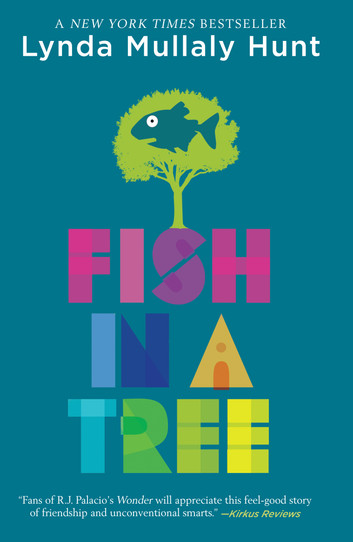
“Everybody is a genius. But if you judge a fish by its ability to climb a tree, it will live its whole life believing that it is stupid.” Everyone has different strengths and ways of learning; when people are judged by a single standard, their unique talents may be overlooked. The book "Fish In A Tree" powerfully explores this idea.
Lynda Mullaly Hunt, an American author and former teacher, wrote Fish in a Tree based on experiences from both her childhood and her teaching career. She struggled in school and has said that a supportive sixth-grade teacher helped her develop confidence and a love of reading. This experience inspired her to write about a student who learns that academic difficulty does not define intelligence.
In the novel, Hunt introduces Ally Nickerson, a sixth-grade student with undiagnosed dyslexia. Ally is creative and intelligent, but she struggles with reading and writing, causing her to believe that she is stupid. She hides her difficulties through jokes and misbehavior, while classmates such as Shay bully and misunderstand her. Everything begins to change when Mr. Daniels recognizes Ally’s potential, helps her receive an evaluation, and teaches her in ways that fit her learning style. With support from her friends Keisha and Albert, Ally gradually gains confidence, learns to read, and begins to accept herself.
Fish in a Tree explores important themes including identity, self-esteem, inclusivity, friendship, and the value of different kinds of intelligence. Ally begins as an insecure student who believes her dyslexia makes her a failure. However, Mr. Daniels helps her see that she is capable and worthy. Keisha supports Ally and encourages her to stand up for herself, while Albert is loyal and intelligent in his own way. In contrast, Shay repeatedly mocks Ally and makes her feel excluded.
Ultimately, Ally’s journey proves the message of the opening quote. With understanding, support, and the chance to learn in her own way, Ally discovers that she was never incapable of learning. Like the fish in the quote, she simply needed an environment that recognized how she was meant to succeed.
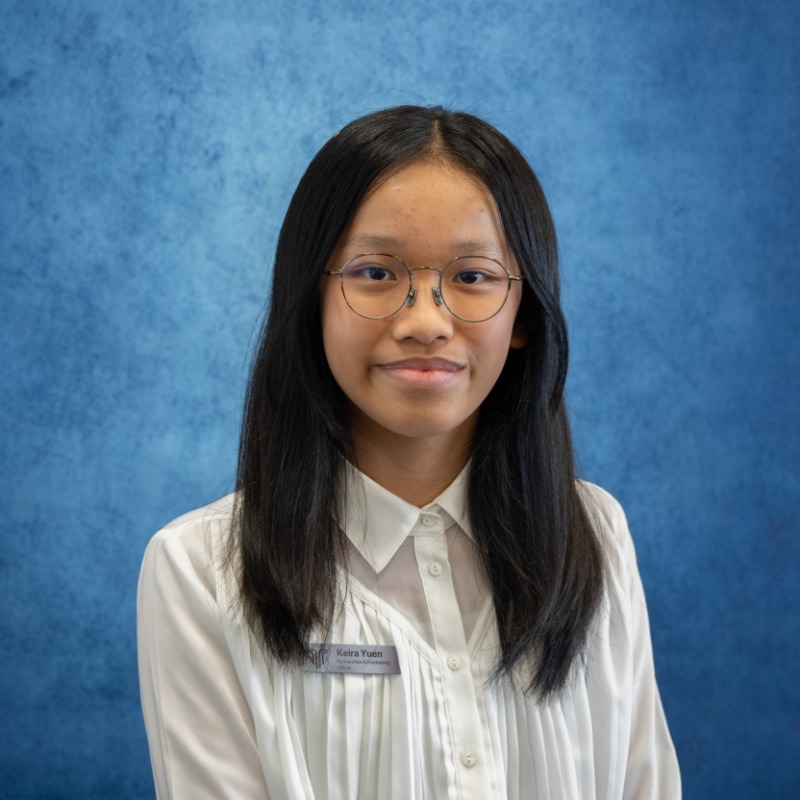
About the author
Partnership & Funding Officer
Technology has become deeply embedded in our daily lives. To succeed in a digital society, we must embrace it by building technological literacy while keeping foundational literacy at the core. I was amazed by the power of science and technology when I participated in the ISJO Science Competition. While working through the questions, I realised that many of them were connected to technological applications, such as medical diagnosis and treatment. Technology has a direct impact on people’s lives and can help humanity thrive towards a better future. At the same time, I realised how important foundational literacy is. Without the ability to read, analyse, and communicate clearly, even technology cannot be used effectively. As part of the partnerships and fundraising department, I believe that an organisation succeeds by building strong relationships and establishing meaningful partnerships with others. Taking part in competitions like MUNs, WSCs, and school mentorship programmes has developed my communication and teamwork skills. These experiences have also made me realise how much I enjoy connecting with people and learning from their perspectives. My goal is to support Inkoders’ outreach, fundraising, and sponsorship efforts by proactively researching potential partner organisations that share the same vision of embracing both foundational and technological literacy. I hope to contribute by communicating our mission effectively, identifying suitable partners, and drafting initial outreach emails.
Profile & more perspectives →More perspectives
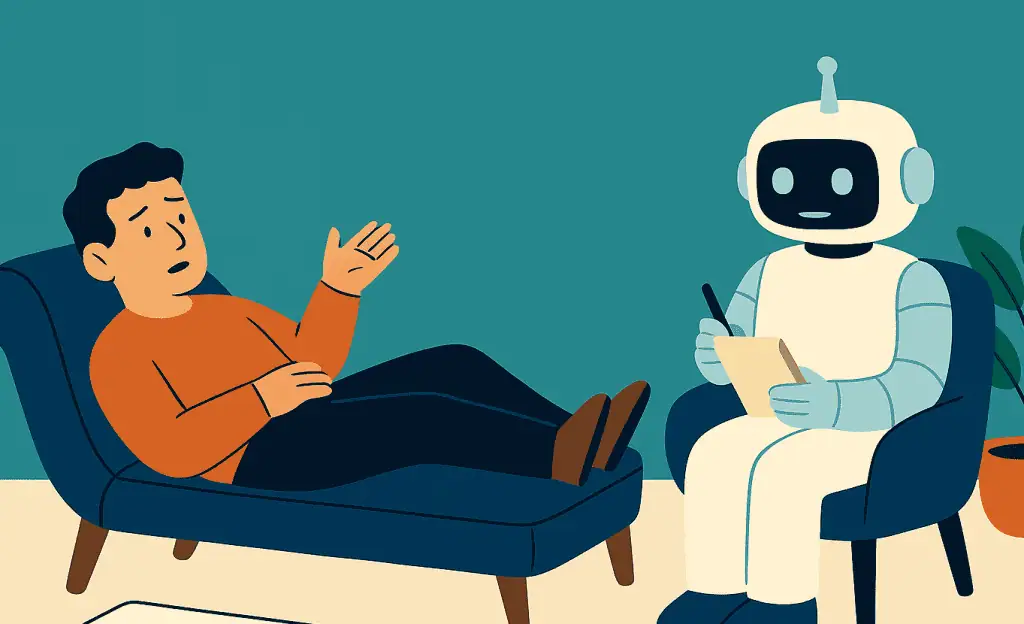
AI — A therapist?
In the 2026 AXA Mind Health Study, two-thirds (66%) of respondents said they have used AI tools for mind health-related purposes.
By Joan Tso Chung Yin21 Nov 20263 min read
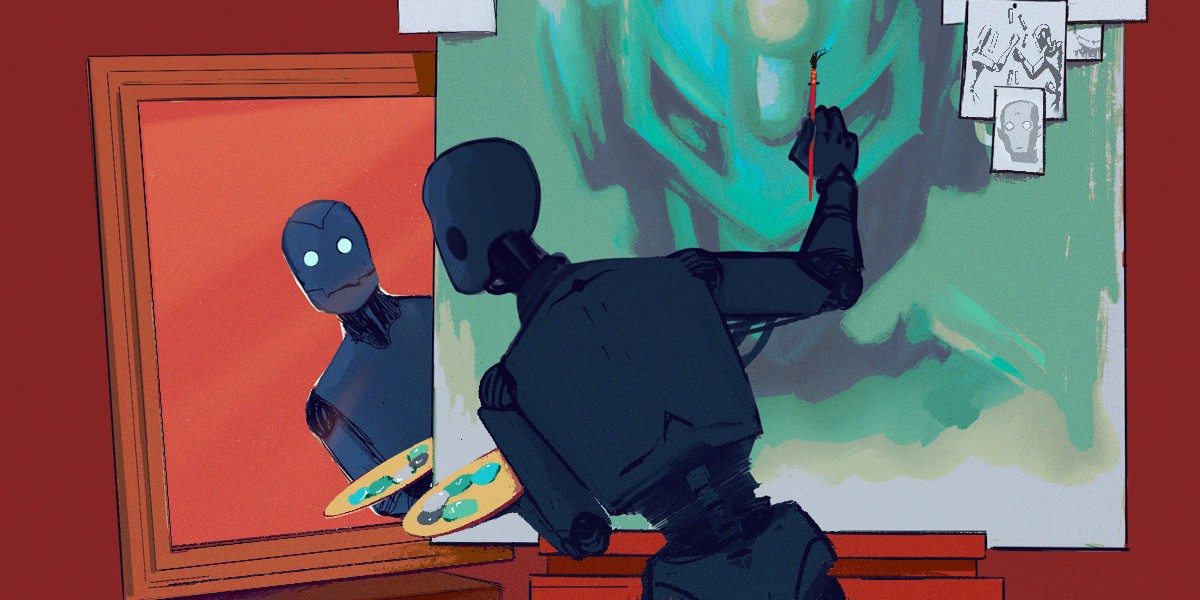
Has AI Circumvented Copyright Law?
Curtailing Creativity and Copyright in the Age of AI
By Evelyn Chan Tsz Huen16 Nov 20263 min read

To make cramming easier — RemNote
A personal AI tutor, file organisation system, note-taking engine and flashcards all in one place.
By Christie Leung Yan Ching11 Nov 20263 min read