 Inkoders
Death Penalty for a President: South Korea’s Democracy Puts Yoon Suk-yeol on Trial
Should a former president who tried to unlawfully seize control of his own country pay with his life?

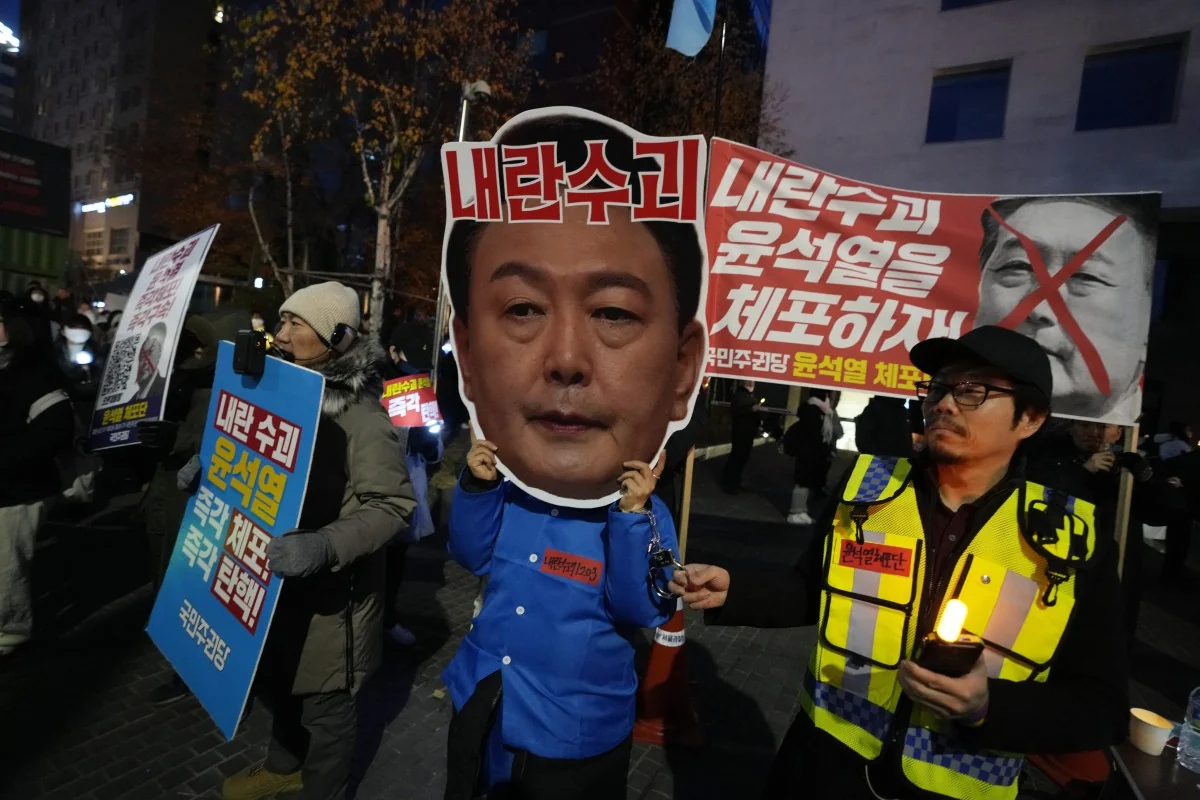
In December 2024, former President Yoon Suk-yeol abruptly declared emergency martial law, referring to a temporary replacement of civilian government by military authority during rebellions or major conflicts, deploying heavily armed police and soldiers to seize the National Assembly.
Prosecutors claim that Yoon Suk-yeol went far beyond a political mistake. The martial law order in December 2024 was seen as an excuse to seize power and crush political opposition. During his appeal proceedings, prosecutors in South Korea demanded his death penalty for his declaration of martial law, insisting that it was a severe insurrection that posed a significant threat to the nation's democratic order. They argue that his actions of using troops and police to block parliament, target opponents was an attempt to hold onto power. In their view, attacking democracy at that level deserves the strongest punishment available. This can potentially be rooted back to democratic order's indispensable role of protecting civil rights and restraining executive overreach: going against it would be equivalent to starting social turmoil.
Yoon’s lawyers see it differently. They say he did not declare martial law to become a dictator. Instead, they argue that the opposition-led parliament, where Yoon’s political rivals held most say, was blocking the government from working properly. For example, it could reject government budgets, refuse to pass desired laws, impeach or investigate officials, and limit presidential appointments--all of which add on to governing difficulties. Hence, Yoon wanted to alert the public to this problem and restore order. His lawyers also argue that his intentions were not vicious and that he had no desire of hurting anyone or rule without limits.
At last, the decree only lasted 6 hours before lawmakers forced its reversal. Although the dispute is over about the various perspectives of Yoon's case, whether it was a reckless political gambit, or an organised assault on the constitution, will shape the boundary of presidential power in South Korea. Although Yoon's execution may not be likely due to South Korea's effective moratorium on executions since 1997, his story poses as a warning to how any sign of betraying democratic power carries drastic repercussions without exception.
About the author
Curriculum & Institutional Affairs Officer
In the last ten years, I have been learning music one phrase at a time. Playing the saxophone has taught me that progress takes time. It comes from returning to the same passage, slowly reflecting on what went wrong, and building skill through consistent practice. A musician cannot rush through scales and expect to perform well; similarly, students need structure, practice, feedback and encouragement to convert knowledge into genuine skill. That is why I am in full support of Inkoders’ mission. As Officer of Curriculum & Institutional Affairs, I would like to contribute to the creation of learning experiences that make foundational and digital literacy connected tools for navigating the world. Through Chinese debate, I have learned to conduct research meticulously, organise arguments, and listen to diverse perspectives. Through writing competitions, I have seen how language can turn complex ideas into something memorable. Although the use of AI has become ubiquitous, it can never substitute the judgement needed to evaluate information, the empathy needed to understand others, or the ability to express an original idea with clarity and purpose. These experiences will guide my approach to the curriculum as a pathway that helps students think, communicate, and grow confidently instead of mere information to be delivered. At the same time, I am also building a gamified study and mood-management platform, where students customise 2D pixel-art rooms while using targeted soundscapes to focus, rest, learn, and overcome study burnout. The process of building this project convinced me that technology is most meaningful when it is used as an auxiliary tool to support human wellbeing and learning rather than replacing fundamentals. At Inkoders, I would like to help to create a space which students are eager to return to: an environment where their foundational skills in reading, writing, reasoning, and communication are being improved while being equipped with digital literacy.
Profile & more perspectives →More perspectives

The Destruction of V.Hive: Why Vandalism Undermines the Fight for Access
The looting of Team Vitality’s Paris headquarters highlights the tragic irony of destroying a community hub that specifically kept prices low to support fans with modest incomes.
By Kaden Wong Ho Shun20 Oct 20263 min read
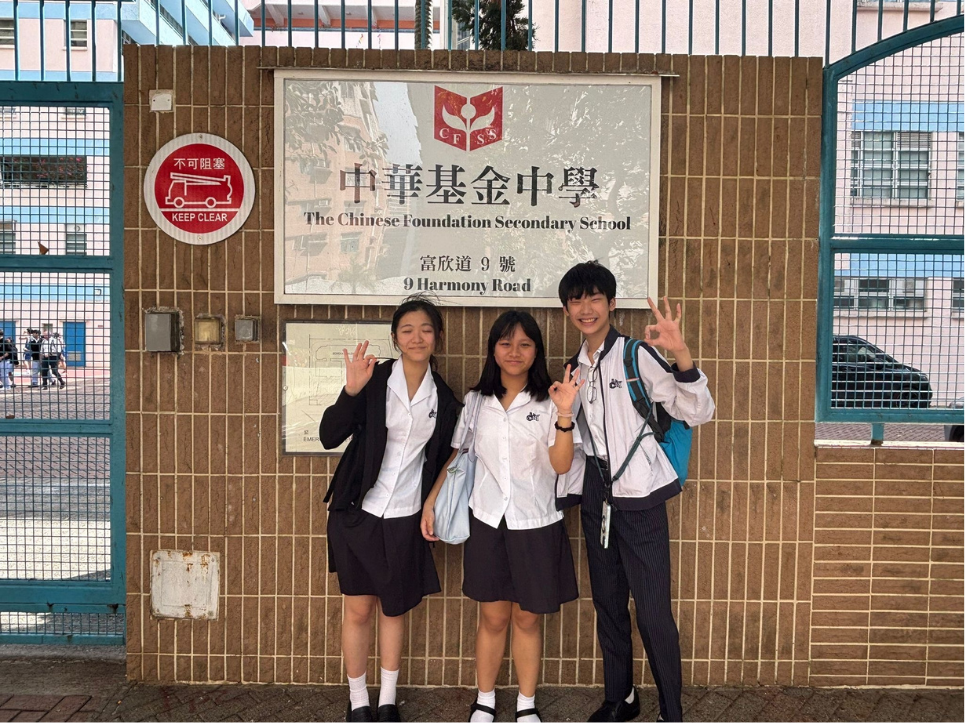
Beyond the Podium: Damon Tam’s Journey of Self-Discovery Through Debate
From competitive debating to hosting government initiatives, Damon Tam explores how mastering the power of language has shaped his perspective on the world.
By Evelyn Chan Tsz Huen20 Oct 20263 min read
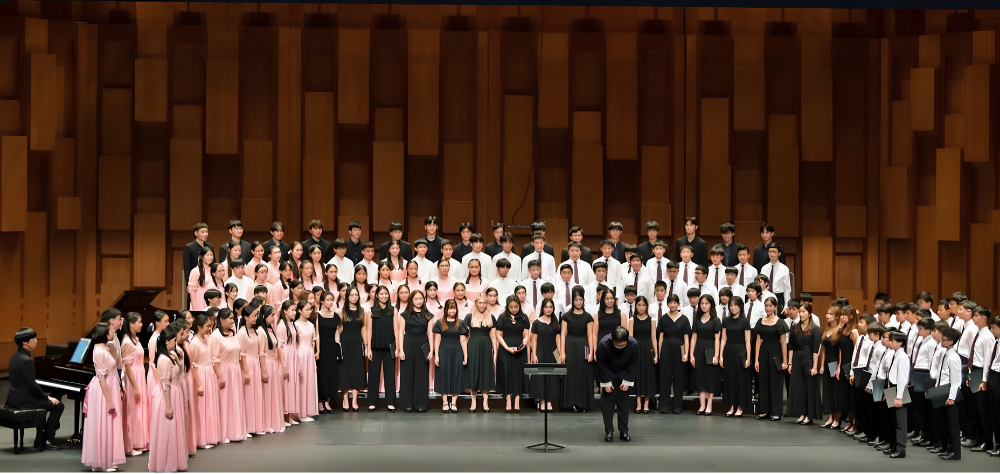
The Harmony of Effort: Lessons from the Concert Hall
Casey Yu reflects on how her journey in the Children’s Choir instilled the patience, collaboration, and passion that define her professional approach today.
By Anna Chan Kwan Nga 19 Oct 20263 min read