 Inkoders
Beyond the Shutter: Why Visual Literacy Matters More Than Ever in the Age of Computational Photography
As smartphone algorithms and generative AI automate exposure, framing, and reality itself, learning how to read an image—not just capture one—has become an essential skill.

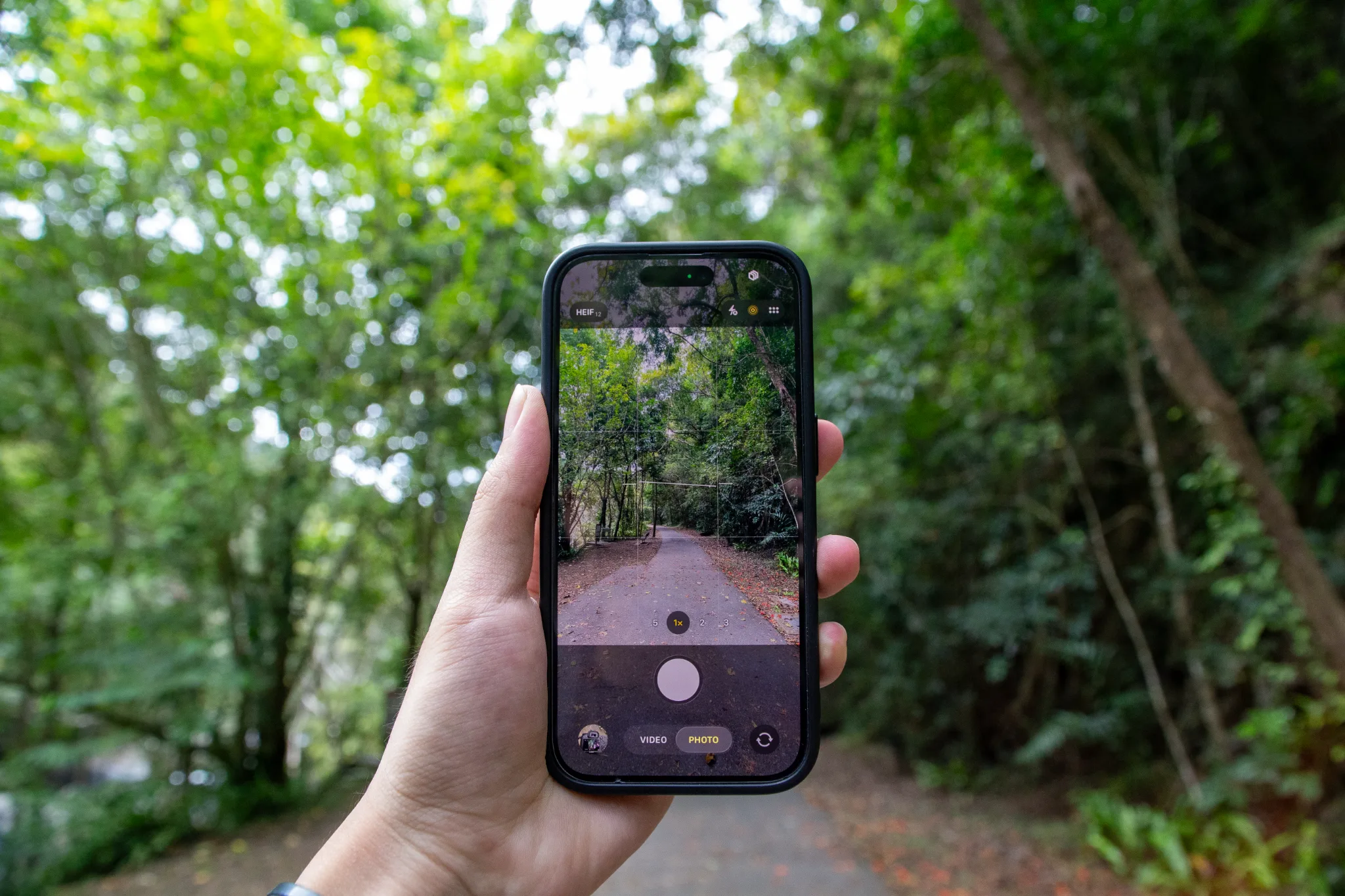
From Optics to Algorithms Over the past hundred years, taking a photo meant dealing with a physical equation of the aperture, the shutter speed, and light sensitivity. The camera recorded what was in front of the lens and the photographer's technical efficiency was what made it possible for the moment to be preserved. Nowadays, pressing the shutter on a mobile phone starts a computer process instead of activating the camera. The camera takes a range of pictures in fractions of a second and runs software to differentiate skin from the sky, change the tone in specific areas and restore the lost elements of the image through neural networks. The algorithm, therefore, makes a series of choices about contrast, colors, and moods even before you have a chance to look at the phone screen.
When Everyone Can Shoot, Who Can See? In "On Photography," her collection of essays published in 1977, Susan Sontag pointed out that photographs are not simply representations of reality. Rather, they are open to interpretation in the way they present what we choose to see and what we ignore. Almost fifty years later, however, although taking a technically good photograph has become easier, the issue of visual communication has become more challenging. When technology takes care of focusing, stabilization, and lighting automatically, our challenge shifts from mechanical expertise to visual judgment. This consists of three main aspects. The first aspect is conscious framing: understanding why something should be included in the frame rather than picking the frame based on an aesthetic or colorful image. The second aspect is critical interpretation: recognizing how cropping, lighting, color grading, and generative edits affect viewers and whether the image represents the truth or creates a narrative. Finally, achieving a unique visual style requires avoiding the aesthetics of similar images coming through preset filters and templates used in social media.
Bridging Technological and Foundational Literacy Seeing it from one angle, knowing how to use technology helps artists grasp the processes that take place under the glass, like the way digital image sensors, processes, and generative AI function. Knowing all the processes allows one to not consider every handsome photo that pops up in the social media feed as real proof and also use software the right way instead of passively. From another perspective, basic literacy gives the image its meaning. Close reading, noticing the human subtleties and telling coherent stories allows one to create a striking photo, too. Once the process of exposure and focal length is controlled by formulas, making a photograph is not about the machine but mastering the ability to see. Technology can only improve lenses; however, it is knowledge about the world that shows people where to take their photos.
About the author
Creative & Brand Design Officer
The power of photography lies in its ability to make something meaningful out of a commonplace instance. Whether it’s spotting a bird in flight, taking a picture of the moon coinciding with a plane, or catching the sun shining on a well-known landscape, I’ve realized that some of the best photos are taken in the blink of an eye. I’ve come to appreciate photography for teaching me the importance of being observant, thinking about composition, and recognizing the beauty of seemingly unimportant moments. Photography has also opened my eyes to the connection between creativity and technology. From using technology to regulate exposure and colors to trying out editing software, I’ve discovered how digital devices can boost a photographer’s vision. The rise of artificial intelligence has been the most exciting development in this field. AI can help organize, edit, and analyze photos but still cannot produce that rare moment that only a human sees. I joined Inkoders because I believe technology should open doors to creativity rather than limit it. Nowadays, as technology starts helping us communicate and perceive the world around us, visual literacy is also becoming as important as verbal literacy. A photo can traverse language barriers, connect people, and express ideas without a word being uttered. I hope to help others see photography as an art and an effective means of communication. A part from photography, I also like to learn about technology and science, play with creative tools and observe things around me.
Profile & more perspectives →